
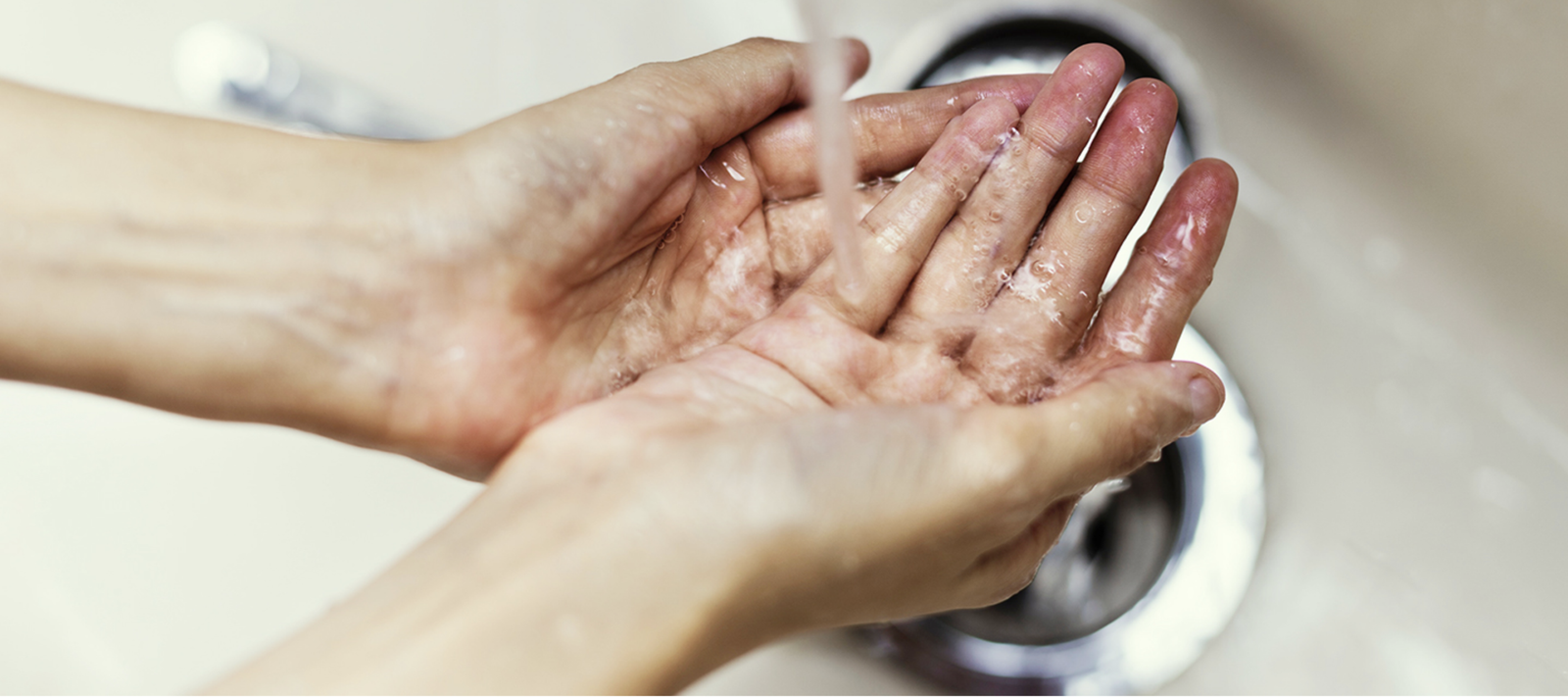
You can spend hundreds of dollars building an emergency kit.
Water filters. Backup power. Medical supplies. Food. Flashlights. Batteries. Radios.
All of those things have their place. But one of the most effective pieces of preparedness doesn't go in a backpack and doesn't cost much at all.
It's knowing how to wash your hands properly.
That sounds almost too basic to mention. Most of us have been washing our hands since childhood. The problem is that there's a big difference between getting your hands wet for five seconds and actually cleaning them.
Healthcare workers understand that difference better than most. Hand hygiene is considered a fundamental part of preventing the transmission of infectious organisms in healthcare settings. (CDC)
And there's a lesson there that applies well beyond a hospital.
The Parts of Your Hands You're Probably Missing
Think about how you normally wash your hands.
A little soap, rub your palms together, rinse, done.
But your palms aren't the only surfaces picking things up throughout the day.
Your fingertips touch elevator buttons and touchscreens. Your thumb wraps around handles. Your fingers grab shopping carts and gas pumps. The backs of your fingers brush against surfaces without you noticing.
Then those same hands reach for food, adjust your glasses, rub your eyes or touch your nose.
That's why a more deliberate washing technique makes sense.
The World Health Organization's handwashing technique doesn't simply say “rub your hands together.” It specifically calls attention to the palms, backs of the hands, spaces between the fingers, backs of the fingers, thumbs, fingertips and wrists. (Iris)
Try it yourself and you'll quickly notice how different it feels from the typical five-second wash.
Wash Them Like This
Start by wetting your hands with clean running water and applying enough soap to cover the surfaces of your hands.
Then slow down.
Rub your palms together before placing one palm over the back of the opposite hand and rubbing with your fingers interlaced. Switch hands.
Next, rub your palms together again with your fingers interlaced. This helps clean those easily forgotten spaces between your fingers.
Now bend your fingers and rub the backs of them against the opposing palm.
Don't forget your thumbs. Wrap one hand around the opposite thumb and clean it using a rotating motion. Switch sides.
Then comes one of the most overlooked areas: your fingertips and around your nails.
Place the fingertips of one hand into the opposite palm and rub them using a circular back-and-forth motion. Repeat with the other hand.
Give attention to your wrists as well.
Finally, rinse thoroughly under clean running water and dry your hands completely.
The CDC recommends scrubbing for at least 20 seconds and specifically emphasizes cleaning the palms, backs of the hands, between the fingers and under the fingernails. (CDC)
And if you're worried about immediately touching a contaminated faucet handle afterward, the CDC notes that you can use a paper towel, your elbow or another hands-free method to turn it off.
One Thing You Don't Actually Need
Here's something that surprises a lot of people.
You don't need antibacterial soap for ordinary handwashing.
For consumers, the CDC says studies have not found an added health benefit from antibacterial soap compared with ordinary soap and water. Plain soap works by helping lift dirt, oils, microbes and other material from the skin so they can be rinsed away. (CDC)
Technique matters more than having a fancy bottle of soap.
That's useful preparedness knowledge because it means something extremely ordinary can do the job when used correctly.
When Soap and Water Aren't Available
This becomes particularly important during travel, storms, extended power outages and other situations where normal routines get disrupted.
If soap and water aren't available, the CDC recommends an alcohol-based hand sanitizer containing at least 60% alcohol.
But sanitizer isn't a perfect substitute.
It doesn't eliminate every type of germ, and it can be less effective when your hands are visibly dirty or greasy. Soap and water also do a better job removing certain germs and harmful chemicals. (CDC)
That's why keeping soap, clean water and a way to dry your hands deserves a place in emergency planning.
The CDC specifically warns that sanitation and hygiene can become more important during disasters because access to clean, safe water may become difficult. (CDC)
The Simplest Piece of Preparedness
Preparedness tends to make us think about equipment.
But sometimes the most useful skills are ordinary habits performed correctly.
Wash before preparing or eating food. Wash after using the restroom. Wash after coughing, sneezing or blowing your nose. Wash after handling garbage and when caring for someone who's sick.
And pay attention to what your hands do between washes.
We unconsciously touch our faces throughout the day. That means keeping your hands clean—and being more conscious about touching your eyes, nose, and mouth—is a simple layer between the outside world and your body.
You don't need specialized equipment.
You don't need electricity.
You don't need an app.
You just need soap, clean water, about 20 seconds and the discipline to clean the parts of your hands most people forget.
Sometimes preparedness really is that simple.